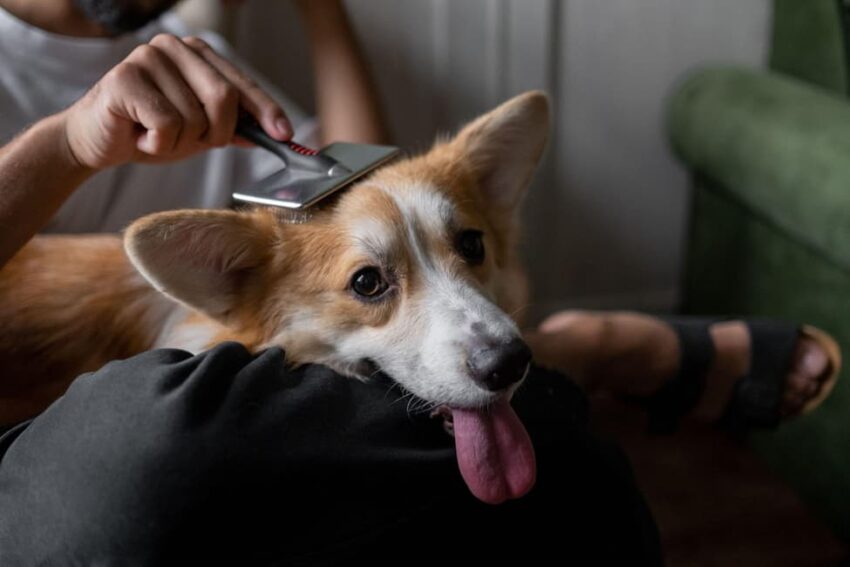
For many people, pets are an important part of everyday life. They accompany their owners for many years, create emotional closeness, and bring structure to daily routines. At the same time, keeping a pet is a long-term commitment that requires attention and knowledge.
A harmonious relationship develops above all when people understand and respect their animals’ needs. Alongside affection, factors such as nutrition, exercise, enrichment, and preventive healthcare also play an important role. Small everyday decisions can have a major impact on a pet’s well-being.
Digital Leisure and Responsible Entertainment
Modern everyday life consists of many different areas. Alongside family, work, and time spent with pets, many people also use digital services to relax. Online games, information portals, and other forms of entertainment have become part of leisure time for many people.
Anyone who wants to learn more about different bonus offers and current promotions can, for example, find further information at https://bonus-jaeger.de. As with all forms of digital entertainment, it makes sense to review the conditions carefully and use such services consciously.
Despite increasing digitalization, spending time together with a pet remains an important form of balance. Walks, games, or simple shared rituals strengthen the relationship and create moments that benefit both people and animals.
Consistent Routines Create Trust and Security

Many pets take their cues from recurring routines. They recognize certain situations and associate them with familiar events. A dog, for example, often knows when it is time for a walk, while cats may prefer fixed times for feeding or rest.
Such routines do not need to be planned down to the last detail. What matters is that important needs are met regularly. An animal benefits when certain routines remain predictable and it can feel secure in its environment.
Especially in a busy household, consistent habits can help reduce stress. Changes are easier to handle when an animal has stable points of reference in its daily life.
Recognizing an Animal’s Signals Correctly
Animals do not communicate through language, but use body language, sounds, and behavior to express their needs. People who understand these signals can respond to their pets more effectively.
A dog can show through its posture whether it is relaxed or tense. Cats often withdraw when a situation makes them uncomfortable. Even small changes in behavior can indicate that an animal needs support.
Paying close attention in everyday life helps owners notice such changes early. This allows them to respond more quickly and potentially prevent problems.
Adapting Exercise and Enrichment to the Animal
Every animal has individual needs. Age, temperament, health, and living conditions determine how much activity is appropriate. A young cat, for example, needs different forms of stimulation than an older dog.
Adequate Bewegung is an important part of a balanced life for many pets. This is not only about physical activity. Mental stimulation through search games, training, or new environments can also enrich everyday life.
For pets that live mainly indoors, a varied environment is especially important. Climbing opportunities, toys, and regular interaction can help prevent boredom.
Supporting Nutrition and Health Over the Long Term
Good care begins with appropriate everyday support. Alongside exercise and enrichment, proper nutrition plays a central role. Needs vary depending on the species, age, and health of the animal.
A balanced Ernährung can help support an animal’s health over the long term. If owners are unsure, they should seek professional advice so that the amount and composition of food can be chosen appropriately.
Regular observation is also part of responsible care. Changes in weight, behavior, or eating habits should be taken seriously. Not every deviation automatically indicates a problem, but persistent changes may make an examination advisable.
Plan Realistically Before Getting a Pet
Taking in a pet means making a commitment that may last for many years. Before getting an animal, it is therefore important to consider whether your own living circumstances are compatible with its needs.
Time, living arrangements, and financial resources are important factors. A dog, for example, requires regular attention and exercise, while other animals have different needs when it comes to housing and care.
Future changes should also be taken into account. A change of job, a move, or new family circumstances can affect a pet’s daily life. Good preparation makes such challenges easier to manage.
Children and Pets: A Respectful Approach
For children, living with a pet can be a valuable experience. They learn to take responsibility and respect the needs of another living being.
Adults must nevertheless retain primary responsibility. Children should understand that animals have their own boundaries and may not always want to be petted or engaged in play.
Shared rules help create safe interactions. These include respectful closeness, observing rest periods, and handling feeding or sleeping areas with care.
Responsibility as the Foundation of a Strong Relationship
A good relationship between people and animals is built on mutual understanding. The goal is not to make an animal fit completely into a human routine, but to find a way of living together that works for both.
Responsible pet ownership means regularly considering the animal’s needs and making decisions with its well-being in mind. This includes suitable enrichment, a safe environment, and sufficient attention.
A pet enriches the lives of many people, but it also brings responsibility. Those who stay informed, remain attentive, and are willing to adapt their daily routine to their animal’s needs create the foundation for a long-term relationship built on trust.
